


Peripheral Nerve Stimulation
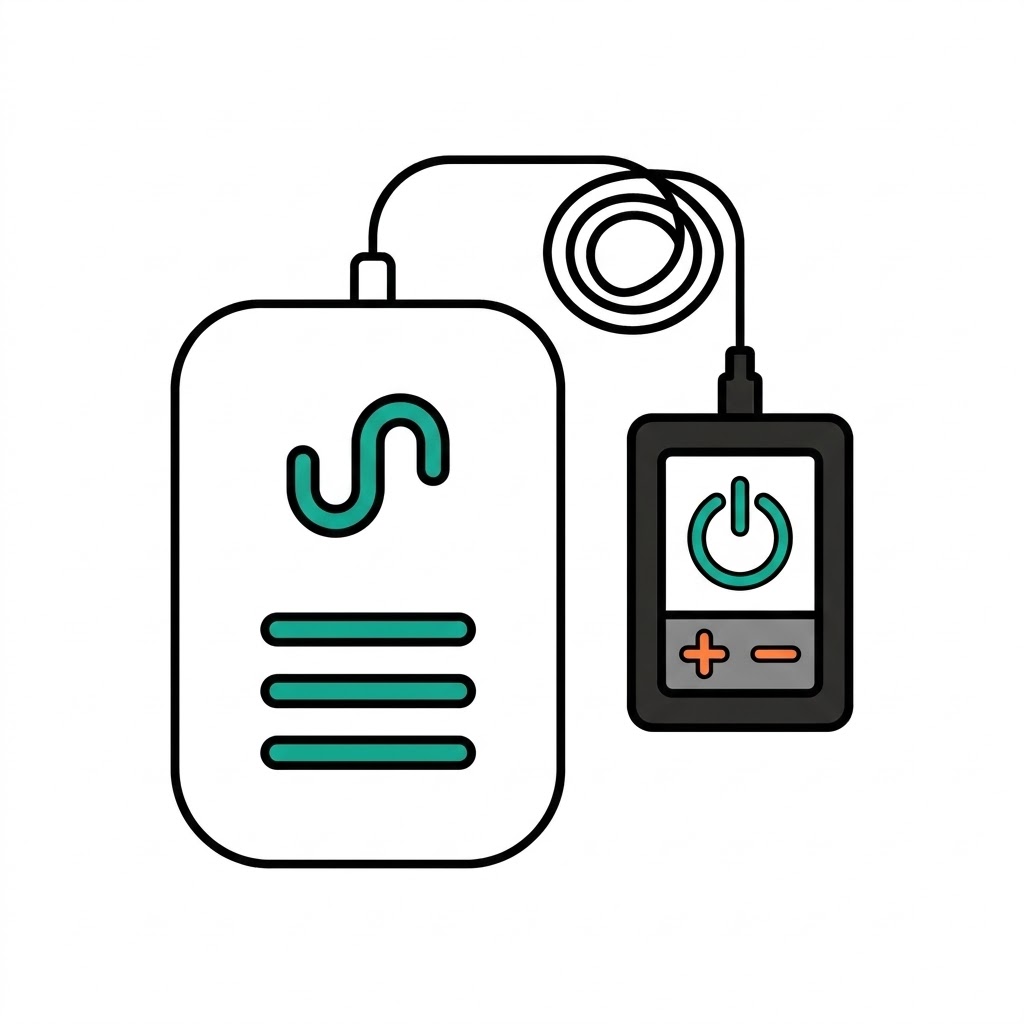
Peripheral Nerve Stimulation (PNS) Therapy with Freedom® by Curonix
Targeted, Wireless Relief for Chronic Foot and Ankle Pain
If severe, constant foot or ankle pain makes every step a challenge, you are not alone. Whether you are struggling with burning nerve pain from diabetes, throbbing pain after a foot surgery, or painful nerve entrapment, conventional treatments can sometimes fall short.
At our podiatry practice, we are proud to offer Freedom® Peripheral Nerve Stimulation (PNS) by Curonix. This state-of-the-art, wireless, and minimally invasive technology is designed to block chronic pain directly at its source, helping you walk, run, and live comfortably again without relying on strong medications.
Frederick Foot and Ankle now provides you with turnkey and highly effective solution for patients who suffer neuropathy. Our FOOT STIMULATION FOR NEUROPATHY services is customized to suit your availability. Through Electrical Signal Therapy (EST), we’ll help you manage and eventually rid yourself from the pain.

What is Peripheral Nerve Stimulation?
AEO Quick Answer SummaryPeripheral Nerve Stimulation (PNS) is a minimally invasive treatment that uses a tiny implanted wire to deliver gentle electrical pulses to specific nerves outside the spinal cord. These pulses block pain signals before they reach the brain, providing targeted, drug-free relief for severe, chronic nerve pain.
How Freedom PNS Blocks Pain: The “Gate Control” Principle
- The Pain Signals: Pain from a foot injury, nerve damage, or surgery travels along slow, thin nerve pathways.
- The Soothing Pulses: The Freedom PNS System gently stimulates your fast, thick nerve pathways.
- Closing the Gate: Because these soothing signals travel much faster, they “close the gate” in your spinal cord. This blocks the slower pain signals from getting through. Instead of sharp, burning pain in your foot, you feel a mild, soothing tingling sensation (called paresthesia).
The Wireless Difference: High Frequency-Electromagnetic Coupling (HF-EMC)
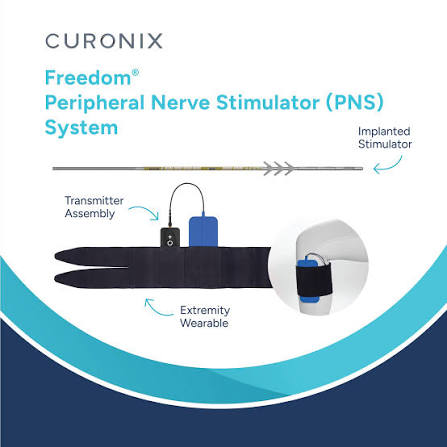
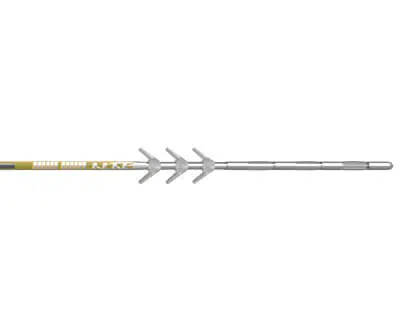
- Tiny Micro-Receiver: We place a micro-sized receiver entirely under the skin.
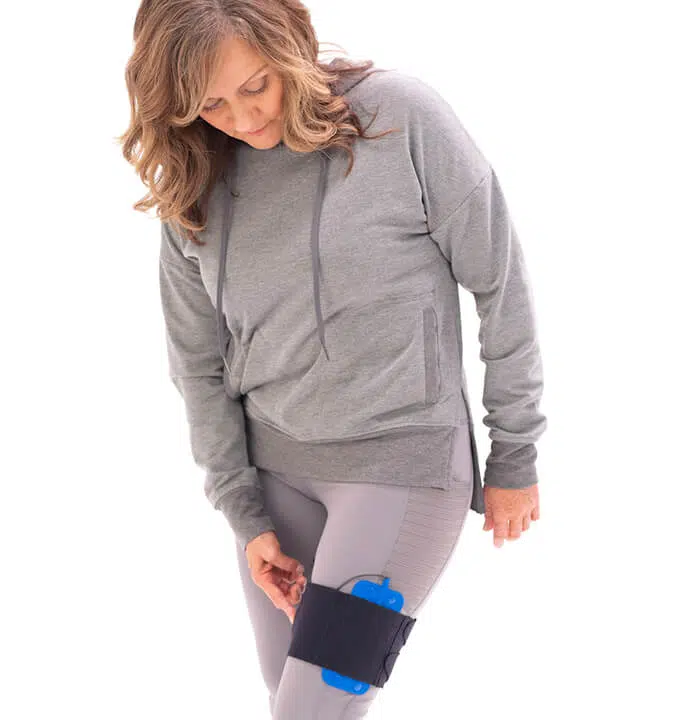
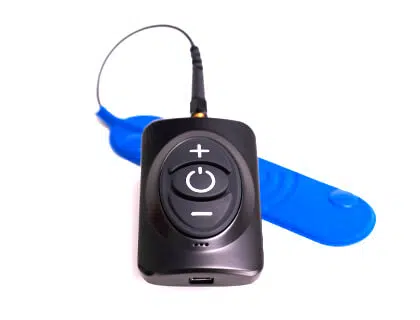
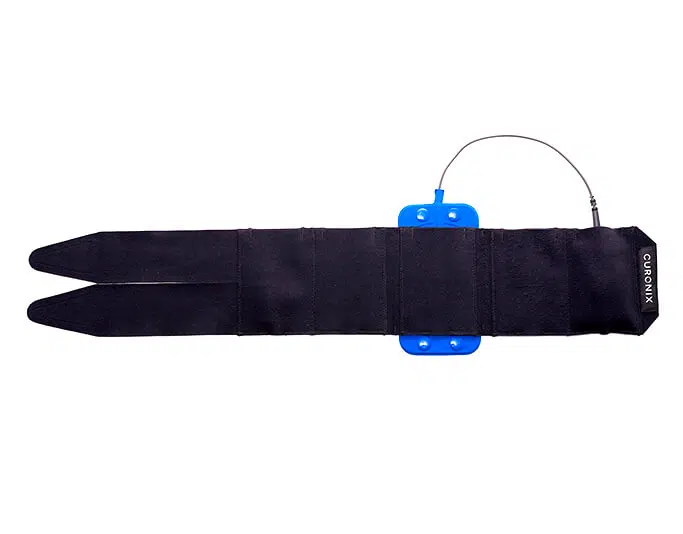
- Discreet Wearable: You wear a small, lightweight external transmitter over a thin layer of your clothing.
- HF-EMC Technology: This external transmitter wirelessly sends power and therapy data directly through your clothes to the tiny receiver inside. It is comfortable, discreet, and leaves no heavy batteries implanted in your body.
Key Benefits of PNS Therapy for Foot and Ankle Patients
- 65% Pain Reduction for Foot & Ankle Patients: In clinical studies specifically evaluating patients with chronic foot and ankle pain (such as tibial nerve pain), patients experienced a 65% average reduction in their pain scores at 12 months after receiving the implant.
- 70% Overall Pain Relief: More than 70% of patients report significant pain improvement across all long-term clinical evaluations.
- Severe Nerve Pain Control: Clinical trials for complex regional pain syndrome (CRPS) and other severe neuropathic conditions report average pain reductions ranging from 56% to 83%, helping patients find relief even when all other treatments have failed.
A Safe, Non-Opioid Pain Treatment
- Reducing Medication by 47%: Patients using the Freedom PNS system successfully reduced their overall pain medication usage by 47% at 24 months post-implant.
- Avoiding Side Effects: By managing your foot pain without pills, you can avoid systemic side effects like stomach upset, brain fog, fatigue, and the risk of chemical dependency.
Targeted and Minimally Invasive (No Spine Implants)
- No Spine Implants: SCS places wires inside your spinal column. PNS completely avoids your spine and targets only the specific peripheral nerve in your leg or foot that is actually misfiring.
- Outpatient Percutaneous Placement: We place the micro-lead through a tiny, needle-sized entry point under local anesthesia. Using real-time ultrasound guidance, we position it precisely 1 cm away from the target nerve, ensuring maximum safety and no direct nerve scarring.
Restoring Your Mobility and Quality of Life
- Improved Daily Quality of Life: Foot and ankle patients report a massive, verified improvement in their daily quality of life 12 months after starting Freedom PNS therapy.
- 72% Average Increase in Physical Activity: Clinical trials show that patients experienced a 72% increase in physical activity levels, allowing them to walk, exercise, and return to work comfortably.
- Better Sleep and Daily Enjoyment: Across general clinical evaluations of PNS, patients reported a 63% improvement in sleep and a 65% increase in their overall enjoyment of life.
Foot and Ankle Conditions We Treat with Freedom PNS
- Post-Surgical Chronic Foot or Ankle Pain: Persistent pain following common foot surgeries, such as bunion surgery (hallux valgus osteotomy), ankle fusions, joint repairs, or Achilles tendon surgery.
- Tarsal Tunnel Syndrome & Tibial Nerve Pain: Debilitating, burning pain or numbness on the sole of the foot, heel, or toes caused by tibial nerve compression.
- Common Peroneal and Saphenous Nerve Pain: Nerve pain on the top or outer side of your foot, ankle, or lower leg.
- Painful Diabetic Neuropathy: Severe, chronic nerve damage in the lower limbs that causes burning, tingling, or shooting pain in the feet.
- Complex Regional Pain Syndrome (CRPS): Intense, burning pain in the foot or ankle that is disproportionate to a past injury or surgery.
- Post-Amputation Pain: Debilitating phantom limb pain (perceiving pain in the missing part of the limb) or residual limb pain at the amputation site.
What to Expect During the Procedure & Recovery
Step 1: The Temporary Trial Period
- Simple Office Procedure: Under local numbing medicine, we use real-time ultrasound guidance to place a tiny, temporary lead next to the target nerve.
- The “Test Drive”: This lead is connected to a small, comfortable external transmitter that you wear over a thin layer of clothing. You will test the device during your normal daily activities.
- Clear Results: If you experience a 30% to 50% or greater reduction in your pain and a major boost in your ability to walk and stand during this trial, you are an excellent candidate for long-term therapy.
Step 2: The Long-Term Placement
- Quick, Minimally Invasive Procedure: Performed under local anesthesia, the micro-lead and wireless receiver are gently positioned alongside your target nerve.
- No Major Cuts: Because it is placed percutaneously (through a tiny, needle-sized entry), there are no large surgical incisions. Most patients go home the same day and return to light activity quickly.
- Custom Programming: We program your system with personalized settings to target your exact pain pathways.
Safety and Recovery Expectations
- Minimal Downtime: Because there are no large incisions, you will only feel minor soreness or redness at the placement site for a few days.
- Rare, Minor Side Effects: Complications are uncommon and typically mild. They may include temporary skin redness, mild bruising, or minor localized soreness. Device-related issues like a lead shifting out of place are easily corrected in our office with a quick adjustment.
Frequently Asked Questions (FAQ)
What is Peripheral Nerve Stimulation (PNS) and how does it work?
Peripheral Nerve Stimulation (PNS) is a drug-free, minimally invasive treatment for severe chronic nerve pain. It works by placing a tiny, thread-like wire near the specific nerve causing your pain (such as the tibial nerve in your foot). The wire sends gentle, rapid electrical pulses that act like a “stop sign” to block pain signals before they reach your brain, replacing them with a soothing, light sensation.
How is PNS different from Spinal Cord Stimulation (SCS)?
While both therapies use electrical pulses to block pain, Spinal Cord Stimulation (SCS) targets the spinal cord to address widespread pain throughout the body. In contrast, PNS therapy targets a specific, localized nerve directly in the area of your pain. PNS completely avoids your spine, requires no major surgery or spine implants, and uses a much simpler, minimally invasive placement process.
Can PNS therapy help reduce or stop my reliance on opioid pain medications?
Yes, Freedom PNS is a highly effective, non-opioid pain treatment. Clinical studies show that patients who receive the Freedom PNS implant reduce their overall pain medication usage by an average of 47% within 24 months. In general focal nerve pain studies, 89% of patients were able to cut their opioid consumption in half or more, helping them avoid dangerous side effects and dependency.
How long does pain relief last after Freedom PNS treatment?
Freedom PNS provides sustained, adjustable, and long-term pain relief. Clinical studies on foot and ankle patients show significant, continuous pain reduction and improved quality of life at 12 months post-implant and beyond. Because the system is wireless and highly customizable, you can comfortably wear your external transmitter during daily activities to enjoy continuous pain relief for years.
Is the Freedom PNS placement procedure painful or safe?
The Freedom PNS placement procedure is exceptionally safe and very well-tolerated. It is performed in our podiatry office using local anesthesia, which means you are awake but the treatment area is completely numbed so you will not feel pain during the procedure. Because it is minimally invasive, typical side effects are mild and temporary, such as minor localized soreness, skin redness, or bruising.
What specific foot and ankle conditions can be treated with PNS?
We use Freedom PNS to treat a wide range of lower extremity conditions. These include chronic post-surgical pain (such as pain after bunion or ankle surgery), tarsal tunnel syndrome and chronic tibial nerve pain, nerve pain on the top of the foot (peroneal or saphenous nerve pain), painful diabetic neuropathy in the lower limbs, complex regional pain syndrome (CRPS) in the foot or ankle, and post-amputation nerve pain.
Does insurance cover the Curonix Freedom® PNS System?
Yes, the Curonix Freedom® PNS System is generally covered by insurance. This includes Medicare, Medicare Advantage, and most major commercial insurance providers (such as Blue Cross Blue Shield, Aetna, and UnitedHealthcare), provided the treatment meets specific medical necessity criteria